

By Emily Stonehouse
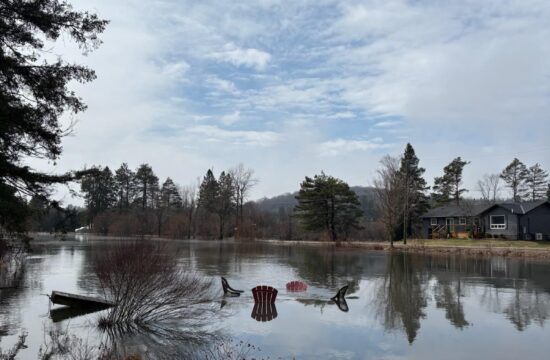
While we wind down a flooding season for the books, many environmental organizations have opted to start looking into mitigation strategies in an effort to slow down water concerns in the future.
The Haliburton Highlands Land Trust (HHLT) recently penned an article outlining some of the efforts landowners can make that may change the outcome of the spring floods. “As the waters recede we reflect on our own mission, and realization that to protect our homes, we need to protect one of nature’s best defences: wetlands,” reads the post.
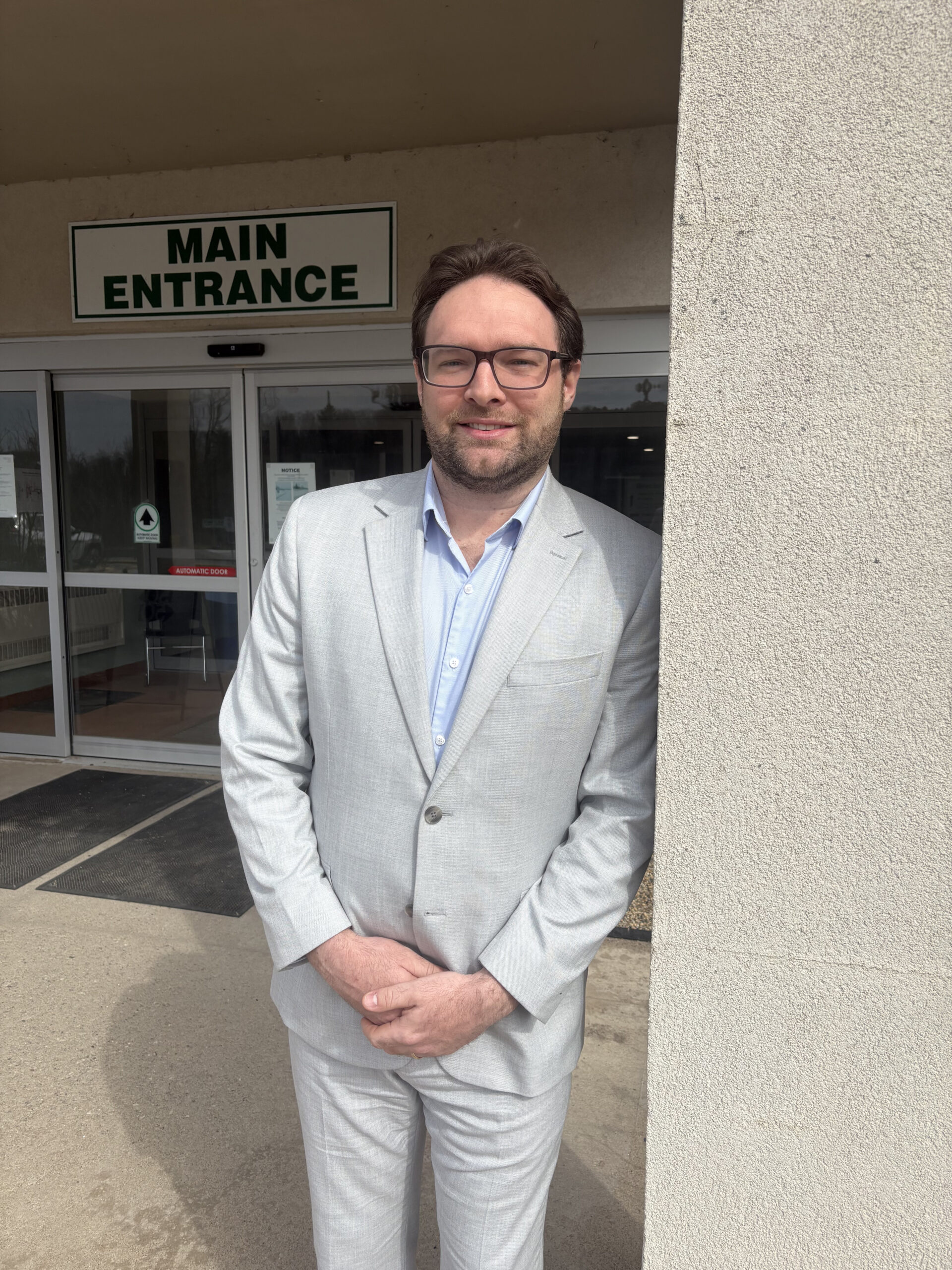
Communications manager for the organization, Adrian Martin, shared that wetlands may be a key component in the management of water levels. “There’s a number of factors that we, as homeowners, can address,” he said. “But you don’t know what it’s worth until you’ve lost it.”
Martin noted that wetlands are often under-appreciated, yet they are one of our most effective and cost efficient tools for protecting our community against floods. The properties’ are able to act as giant sponges – slowing down and capturing flood waters before they hit your basement.
“The data backs this up,” wrote Martin. “Ontario studies show wetlands reduce rural flooding costs by up to 29 per cent. Even the insurance industry – which now pays out billions in claims annually – has pivoted, finding it more profitable to invest in wetland restoration than to pay for the aftermath of their destruction.”
While wetlands can’t exclusively block the risks of flooding, Martin noted that they have been proven to decrease the severity of the increased events.
“The cumulative loss of local wetlands has dropped the Gull River watershed’s capacity to absorb flood waters over time,” said Martin. “When paired with a climate change induced increase in the intensity of spring storms the result is the frequent, devastating floods of recent years. Every additional wetland we lose further lowers the land’s capacity to absorb flood waters, meaning more damage, and greater costs our community can’t afford.”
The Land Trust recently purchased a new property off Plantation Road, with the 50 acres of wetland just north of Minden on the Gull River watershed, providing direct flood protection for the community.
While wetlands ebb and flow with the seasons, Martin explained that a wetland is not defined by water levels, but rather, by the species that reside in the area. The regions can vary between a fen, a bog, a swamp, or a marsh, with wetland as the overarching umbrella term.
Beyond soaking up excess waters, Martin noted that wetlands also offer a slow-release water option during drought time, or act as fire-stoppers during forest fires.
“We don’t want to be anti-development,” explained Martin. “It’s going to happen. But we need to value and celebrate the things we benefit from.” The Land Trust is currently mapping out all wetlands across the county, which they are sharing with planning staff at the County of Haliburton.
“Join us in truly valuing our wetlands for the incredible gifts they provide our community. Rather than filling them in to build that next home, let’s integrate them into our developed spaces as core infrastructure and celebrate them as places of beauty and life,” said Martin. “It is a reminder that when we work with rather than against nature, we are rewarded for it – and that is a gift worth protecting with everything we have.”